
Introduction to BLE Beacon #
BLE Beacon technology uses Bluetooth Low Energy to send small data packets over short distances. BLE stands for Bluetooth Low Energy. A beacon can broadcast information such as device ID, temperature data, humidity data, battery status, or signal strength.
This technology works well for applications that need low power consumption, short-range communication, and flexible deployment. As a result, many cold chain, warehouse, logistics, and asset monitoring projects use beacon devices.
For a broader technical overview, you can also refer to the Bluetooth Low Energy primer.
How BLE Beacon Works #
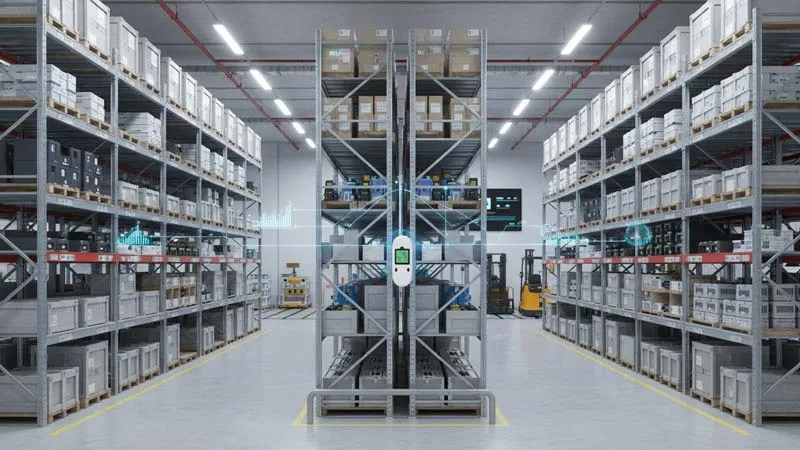
A BLE Beacon broadcasts signals at regular intervals. Nearby smartphones, gateways, GPS trackers, or host devices can receive these signals and collect the data.
The receiving device can then upload the information to a cloud platform through the internet or a cellular network. This allows users to view beacon data remotely instead of checking each device manually.
Key Benefits of BLE Beacon #
Low Power Consumption #
BLE Beacon devices use low-power wireless communication. This helps them operate for a long time without frequent battery replacement.
For example, the BTT01 Bluetooth Beacon uses BLE5.0 technology for temperature monitoring. It is suitable for cold chain vehicles, cargo monitoring, and other scenarios that require continuous temperature visibility.
Short-Range Data Collection #
This technology supports short-range wireless data collection. A nearby host tracker, mobile app, or gateway can receive beacon broadcasts and collect local data.
In EELINK temperature beacon solutions, one host tracker can work with multiple beacons. This setup helps users monitor temperature data across a local area and upload the information to the platform.
Flexible Deployment #
BLE Beacon devices are usually compact and easy to install. Users can place them in vehicles, containers, warehouses, refrigerated cargo areas, or equipment storage areas.
This makes the technology useful for projects where wiring is difficult or where assets move frequently.
Sensor Data Monitoring #
Beacon devices can work with sensors such as temperature and humidity sensors. This helps users monitor environmental changes during storage, transportation, and delivery.
For cold chain applications, this data can help users check whether goods remain within the required temperature range.
Common Applications of BLE Beacon #
Cold Chain Monitoring #
Cold chain logistics often requires continuous temperature visibility. A beacon can collect temperature data and send it to a nearby host device or mobile app.
EELINK products such as the BTT01 Bluetooth Beacon support temperature monitoring for cold chain vehicles and cargo. Users can combine beacon data with platform records to improve shipment visibility.
Warehouse and Asset Monitoring #
Warehouses, terminals, and logistics centers often need to monitor many assets in a limited area. BLE Beacon technology helps users identify nearby assets and collect local sensor data.
For example, a beacon can help confirm whether equipment, pallets, or cargo remain within a defined area. This can reduce manual checks and improve asset management efficiency.
Local Area Positioning #
BLE signals can support short-range location awareness. The system may use signal strength to estimate whether a beacon is near a receiver.
This method is useful for local area positioning, proximity detection, and indoor monitoring. However, the actual performance depends on distance, walls, metal objects, interference, and receiver placement.
Temperature and Humidity Data Collection #
Some beacon devices collect environmental data and broadcast it through Bluetooth. A mobile app, gateway, or tracker can receive the information and upload it to the platform.
This helps users review temperature history, monitor abnormal conditions, and support operational records for sensitive goods.
BLE Beacon Compared with Other Technologies #
BLE Beacon serves a different role from GPS / GNSS, 4G LTE, and NB-IoT. GPS / GNSS helps a device calculate outdoor location. 4G LTE sends data through mobile networks. NB-IoT focuses on low-power wide-area communication.
In contrast, beacon technology focuses on short-range communication and local data collection. Therefore, it is often used together with GPS trackers, mobile apps, gateways, or platform systems.
Why BLE Beacon Matters for Monitoring #
BLE Beacon technology gives businesses a practical way to collect short-range data with low power consumption. It helps users monitor temperature, humidity, asset presence, and local movement in warehouses, vehicles, and cold chain environments.
To choose the right beacon solution, users should consider communication range, battery life, sensor type, installation environment, data upload method, and platform requirements. EELINK provides beacon devices and temperature monitoring solutions for different logistics and asset monitoring scenarios.


