
Introduction to 4G LTE #
4G LTE is a mobile communication technology that helps tracking devices send data through cellular networks. LTE stands for Long Term Evolution. For IoT tracking devices, this technology supports real-time location updates, alarm reporting, remote control, and device status monitoring.
Compared with older 2G or 3G networks, it provides faster data transmission and more stable communication. As a result, it works well for vehicle tracking, fleet management, asset monitoring, and other connected applications.
For a broader industry overview, you can also refer to the GSMA mobile technology overview.
How 4G LTE Works #
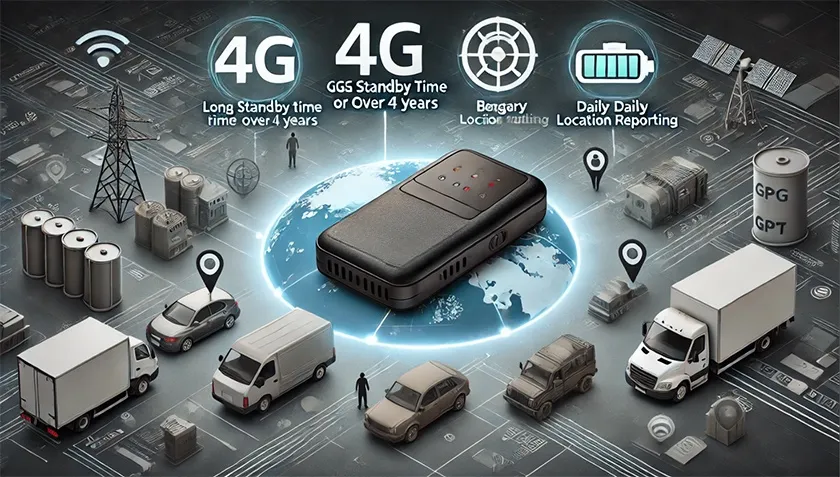
A tracking device uses a cellular module and SIM card to connect to a mobile network. Then it sends data such as location, speed, route history, battery level, alarms, and sensor readings to a cloud platform or mobile app.
GPS / GNSS helps the device calculate its location. Cellular connectivity helps the device send that information remotely. Together, these technologies allow users to monitor vehicles, assets, and equipment from almost anywhere.
Key Benefits of 4G LTE #
Real-Time Data Transmission #
4G LTE supports faster data uploads than older mobile networks. This helps users view vehicle locations, movement history, and alarm events with less delay.
For fleet management, real-time data can improve dispatching, route visibility, and operational control. EELINK vehicle GPS trackers such as the TK419-3 GPS tracker use LTE connectivity to support remote vehicle tracking and management.
Wide Application Coverage #
This technology supports many tracking scenarios. It can be used for vehicles, trailers, containers, equipment, cargo, and portable tracking devices.
For example, the TK417 GPS tracker supports global LTE Cat1 connectivity and multiple positioning methods. It is suitable for fleet management, car rental, and vehicle security applications.
Reliable Remote Monitoring #
Tracking devices often need to work across different cities, regions, and operating environments. Cellular communication allows devices to send data back to the platform without requiring users to stay near the device.
In addition, some EELINK products support fallback networks. This helps improve communication continuity in areas where the main network signal is weak.
Common Applications of 4G LTE #
Fleet and Vehicle Tracking #
Fleet operators need timely location data, route records, alarm notifications, and vehicle status updates. 4G LTE helps tracking devices send this information to the platform in real time.
Users can apply this technology to logistics vehicles, rental cars, service fleets, emergency vehicles, and commercial transportation. EELINK products such as the TK419-3 GPS tracker support vehicle tracking, GNSS positioning, alarms, and remote control functions.
Asset Tracking #
Asset tracking often requires long battery life, reliable reporting, and flexible installation. Cellular tracking devices can help users monitor containers, pallets, trailers, cargo, and valuable equipment.
For example, the GPT49 GPS tracker supports global LTE networks and long standby operation. The GPT50 asset tracker is designed for vehicles, containers, pallets, trailers, and other assets that need long-term monitoring.
Cold Chain and Sensor Data #
Some tracking devices can work with temperature, humidity, or other sensor data. This is useful for cold chain logistics and cargo monitoring.
With cellular communication, the device can send location and environmental data to the platform. Therefore, users can check shipment status, receive alerts, and review historical records.
4G LTE Compared with Other Technologies #
4G LTE serves a different role from GPS / GNSS, BLE, and NB-IoT. GPS / GNSS helps a device calculate location. BLE supports short-range communication. NB-IoT focuses on low power and small data packets.
In contrast, LTE is suitable for applications that need more frequent updates and stronger real-time communication. It is often a practical choice for fleet tracking, remote control, alarm reporting, and asset monitoring.
Why 4G LTE Matters for IoT Tracking #
This technology gives tracking devices a reliable way to send data to a platform or mobile app. It helps businesses improve visibility, reduce manual checks, and respond faster to abnormal events.
To choose the right device, users should consider network coverage, reporting frequency, battery life, installation method, and monitoring requirements. EELINK provides vehicle GPS trackers, asset trackers, and customized tracking solutions for different business scenarios.


