IIoT Platform technology is reshaping how enterprises manage remote devices, vehicles, assets, and field equipment. Today, many companies operate across warehouses, cities, delivery routes, and customer sites. However, traditional manual inspection can no longer support fast and accurate decisions. Therefore, an IIoT Platform gives companies a smarter way to monitor equipment, reduce risks, and improve operational efficiency.
Why Remote Device Management Matters
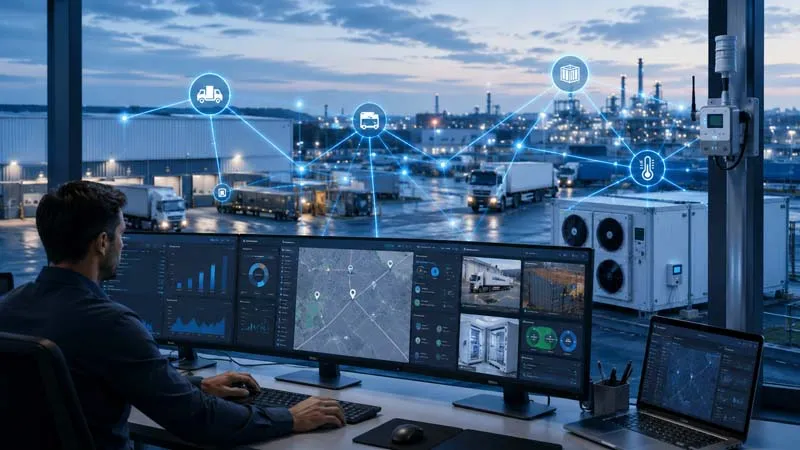
Modern enterprises often manage large numbers of devices in different locations. These devices may include vehicles, sensors, cold chain equipment, mobile assets, or outdoor terminals. However, scattered equipment creates serious management challenges. Teams may lose visibility, miss early warnings, or respond too late.
As a result, companies face higher costs and more operational uncertainty. They need accurate data, real-time alerts, and centralized control. With an IIoT Platform, teams can view device status, location, and environmental data from one system.
What an IIoT Platform Delivers to Enterprise Operations
An IIoT Platform connects smart terminals, communication networks, cloud systems, and business applications. It collects data from connected equipment and turns that data into useful insights. Therefore, managers can make decisions based on facts rather than delayed reports.
In addition, the platform helps teams track device activity, battery level, temperature, humidity, route history, and alarms. Meanwhile, the dashboard gives managers a clear view of field operations. This visibility helps companies reduce blind spots and improve daily control.
Real-Time Monitoring Turns Equipment Data into Action
Remote device management works best when data arrives in real time. For example, a logistics company may need to know whether a vehicle follows the correct route. A cold chain company may need stable temperature data during transport. An asset management company may need location updates for valuable equipment.
Through an IIoT Platform, each device can send key data to the cloud. Then, managers can check status through a web dashboard or mobile interface. Moreover, the system can trigger alerts when equipment leaves a safe area or reports abnormal data.
Location, Status, and Alerts Create Better Control
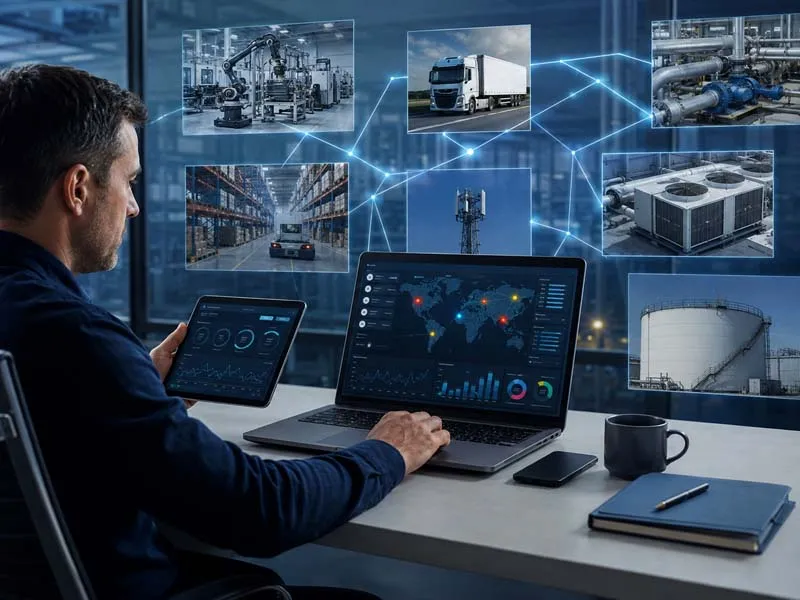
Location tracking gives enterprises a direct view of mobile assets. However, location alone is not enough. Companies also need device status, event records, and risk alerts. Together, these functions create a complete remote management system.
For example, electronic fences can define safe zones for vehicles or assets. When a device enters or leaves a zone, the system can send an alert. In addition, historical tracks can help teams review routes, investigate events, and improve dispatch plans.
How an IIoT Platform Improves Fleet and Asset Management
Fleet management requires speed, accuracy, and control. An IIoT Platform can record vehicle location, driving routes, parking time, and abnormal movement. Therefore, fleet managers can detect route deviation, unauthorized use, or theft risks faster.
Asset management also benefits from this connected approach. Companies can monitor valuable assets in warehouses, transport vehicles, or customer sites. As a result, they reduce loss, improve utilization, and build a more transparent management process.
Cold Chain Monitoring Requires Reliable Data
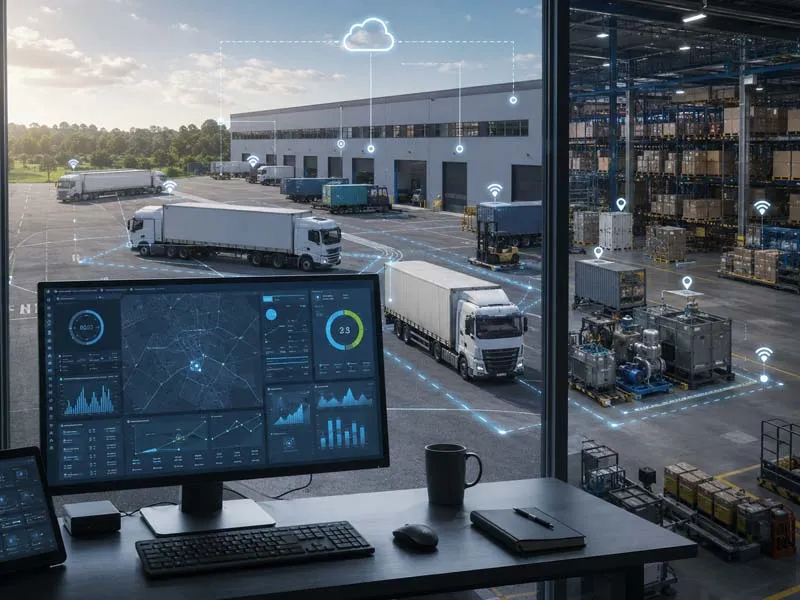
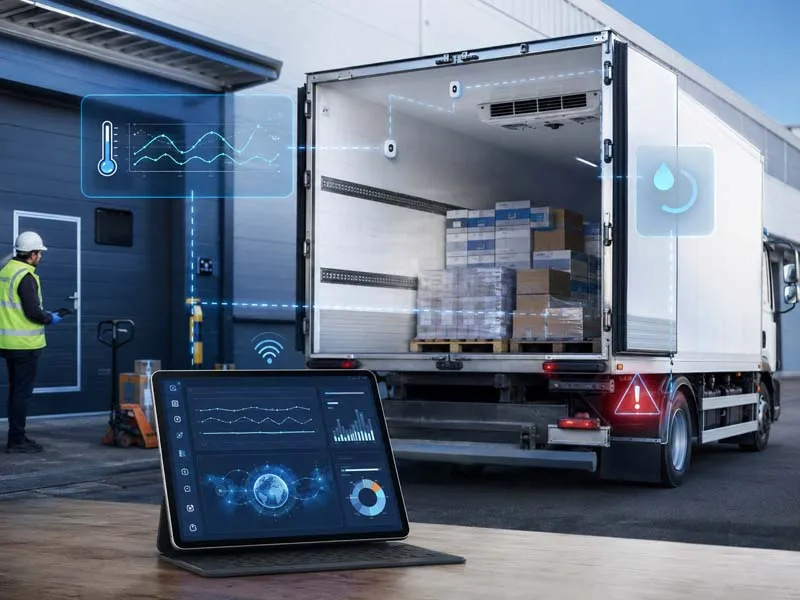
Cold chain transportation depends on stable temperature and humidity control. However, manual temperature checks often create delays and data gaps. If problems appear too late, companies may face product loss or compliance risks.
Because an IIoT Platform collects environmental data continuously, companies can act earlier. Managers can receive alerts when temperature or humidity exceeds limits. Moreover, they can review historical reports for quality control, customer proof, and process improvement.
Lower Costs and Faster Response
Remote management does more than show data. It also changes how teams work. Instead of sending staff to inspect every device, companies can focus on real issues first. Therefore, they reduce unnecessary travel, manual checks, and maintenance costs.
In addition, alerts help teams respond before small issues become major failures. For example, a low battery alert can prevent data loss. A geofence alert can reduce theft risk. A temperature alert can protect sensitive cargo.
Data Supports Smarter Business Decisions
Connected devices create valuable operational data. Over time, this data helps companies understand patterns, risks, and inefficiencies. Therefore, managers can improve routes, maintenance plans, asset allocation, and service quality.
Moreover, clear reports support internal management and customer communication. Teams can use data to verify delivery conditions, prove asset movement, or review abnormal events. This makes operations more transparent and accountable.
How to Choose the Right Platform
Companies should choose an IIoT Platform that matches their real business scenarios. The platform should support stable hardware, accurate data, fast alerts, and easy integration. It should also offer reliable communication and flexible configuration.
Moreover, the right IIoT Platform must support long-term business growth. As device numbers increase, companies need scalable systems and dependable technical support. Therefore, hardware quality, software usability, and service capability all matter.
EELINK Communications and Connected Innovation
EELINK Communications is a high-tech enterprise focused on applying wireless communication technology to the Internet of Things. The company has a strong team with more than 20 years of experience in IoT hardware and software development. Its product range covers remote monitoring platforms for temperature, humidity, and other key data.
In addition, EELINK Communications serves asset management, vehicle anti-theft, insurance-related services, and cold chain transportation management. Through its IIoT Platform capabilities, the company supports reliable data collection and practical business applications. Its mission focuses on intelligent innovation, connected technology, and customer value.
Conclusion
Ultimately, an IIoT Platform helps enterprises move from manual control to digital management. It gives teams real-time visibility, faster alerts, better traceability, and stronger operational control. As more equipment connects to business systems, companies can manage assets with greater confidence. Therefore, remote device management will continue to play a vital role in modern enterprise operations.