
Introduction: A New Era for IoT Connectivity
5G RedCap is emerging as a key driver in the evolution of the Internet of Things (IoT). Moreover, with the explosive growth of connected devices, traditional communication technologies face significant challenges. LTE-M often lacks sufficient bandwidth for modern applications; in contrast, standard 5G modules consume excessive power and increase costs. Therefore, 5G RedCap addresses these issues by providing a balanced solution with moderate bandwidth, low power consumption, and reduced hardware costs. Consequently, it enables widespread deployment of IoT devices without compromising performance.
Understanding 5G RedCap Technology
5G RedCap, short for Reduced Capability 5G, is designed for IoT devices requiring higher speeds than LTE-M but not the full capabilities of standard 5G. Additionally, it achieves downlink speeds of up to 150 Mbps and uplink speeds of 50 Mbps. Importantly, it reduces power consumption significantly compared to standard 5G modules, while hardware costs can drop by nearly 50%. By contrast, standard 5G devices are often too costly for large-scale deployment. Furthermore, by simplifying certain protocol functions and optimizing chipset design, 5G RedCap maintains compatibility with the 5G New Radio standard while remaining highly efficient and cost-effective.
Key Applications of 5G RedCap
Video Surveillance
High-definition video streaming demands stable, high-speed uplink connections. LTE-M cannot meet these requirements; however, standard 5G modules are often too power-hungry for sustained use. 5G RedCap offers a reliable solution by providing sufficient bandwidth while keeping energy consumption low. Consequently, remote video surveillance systems become more efficient, cost-effective, and scalable across urban and industrial environments.

Wearable Devices
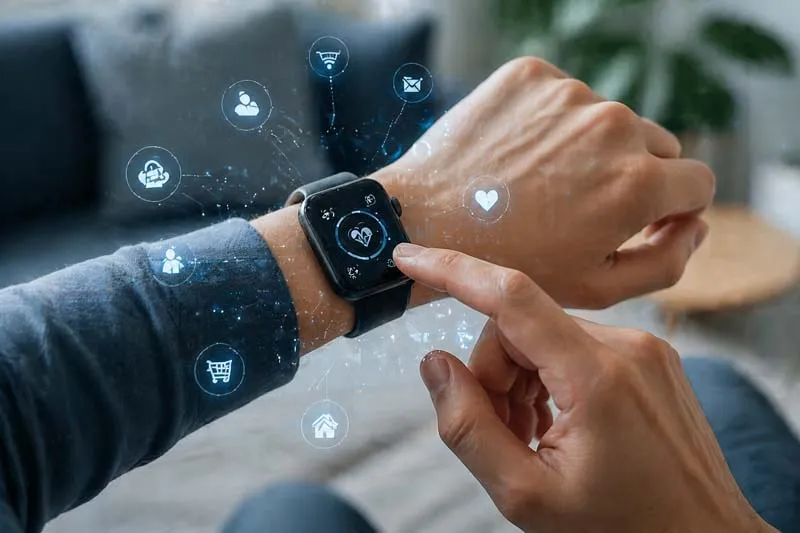
Wearable devices such as smartwatches and health trackers require real-time data transmission while maintaining long battery life. Moreover, 5G RedCap balances speed and efficiency, enabling devices to deliver multimedia or health data without frequent charging. This combination of moderate bandwidth and low power consumption enhances the user experience and supports the broader adoption of wearable technology. In addition, it allows manufacturers to create more energy-efficient designs.
Smart Meters
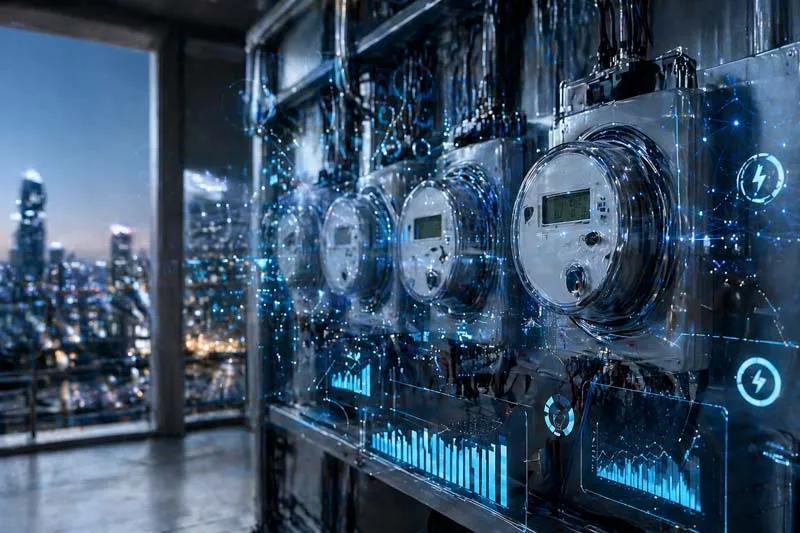
In smart grid deployments, electrical meters generate frequent, high-volume data transmissions. LTE-M cannot handle the required data rates; meanwhile, standard 5G modules increase operational costs. 5G RedCap allows utilities to collect energy data reliably and economically at scale. Therefore, it facilitates energy management and supports the development of smart cities, improving efficiency and reducing operational overhead.
Industrial Sensors
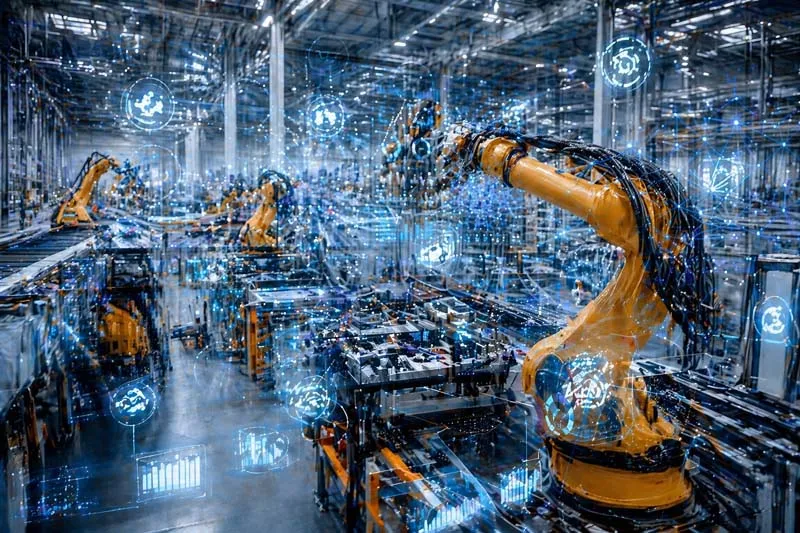
Industrial IoT devices, including thousands of sensors in smart factories, require real-time data collection for monitoring and analytics. Thus, 5G RedCap’s combination of adequate speed, low power consumption, and reduced hardware costs provides robust connectivity for industrial operations. Additionally, emerging fields such as smart transportation, AR/VR IoT devices, and remote medical monitoring are increasingly adopting 5G RedCap to enhance network performance and responsiveness. As a result, these industries can optimize operations while maintaining low energy usage.
Global Adoption Trends
The adoption of 5G RedCap is accelerating worldwide. At MWC 2026, numerous devices showcasing RedCap technology captured significant industry attention. China leads in deployment and standard adoption, particularly in wearables and video surveillance sectors. Meanwhile, Europe, the Americas, and Southeast Asia remain in early trial phases. However, with network infrastructure development and mature chipset supply chains, global adoption is expected to increase rapidly over the next three to five years. Manufacturers are actively producing RedCap modules, lowering costs while enhancing device performance, and establishing a growing global ecosystem.
Industry Impact and Future Outlook
5G RedCap is reshaping the IoT landscape. For instance, device manufacturers benefit from reduced hardware costs while improving communication capabilities, enhancing competitiveness. Telecom operators benefit from optimized network resource allocation, reduced energy use, and lower maintenance costs. Moreover, for the IoT ecosystem, widespread RedCap adoption will accelerate innovation, supporting smart cities, healthcare, industrial automation, and intelligent homes.
Looking ahead, the combination of 5G RedCap, low-power AI chips, and edge computing will enable more intelligent IoT devices. Consequently, these devices will process data in real-time, perform autonomous analysis, and provide actionable insights while maintaining low power consumption. Nevertheless, interoperability, standardization, and security remain critical challenges that require ongoing attention as the technology scales globally.
Conclusion: Driving the IoT Revolution
In summary, 5G RedCap bridges the gap between LTE-M and standard 5G by delivering moderate bandwidth, low power consumption, and cost efficiency. As a result, it is set to lead the next phase of IoT expansion over the coming five years. By enabling diverse applications across smart cities, industrial IoT, and consumer electronics, RedCap provides a reliable and scalable foundation for the connected world.
EELINK Communication, a high-tech company specializing in wireless IoT solutions, complements this ecosystem. With over 20 years of experience in IoT hardware and software development, EELINK Communication offers platforms for temperature and humidity monitoring, asset management, vehicle anti-theft, insurance sales, and cold chain logistics. In addition, by leveraging innovative smart technology, EELINK Communication ensures seamless connectivity for clients, delivering reliable and efficient solutions that support evolving IoT applications.
Together, the advancements of 5G RedCap and the expertise of EELINK Communication demonstrate the potential of a fully connected, intelligent world. Therefore, as RedCap devices gain traction globally, the IoT ecosystem will become increasingly robust, with intelligent devices enhancing industrial, urban, and personal applications, ultimately creating a more digital, automated, and interconnected future.