
Introduction to GPS Tracking Devices for Vehicles
GPS Tracking Devices for Vehicles help businesses and individual users monitor vehicle location, driving behavior, routes, and safety status in real time. For fleet operators, logistics companies, rental services, school buses, and private car owners, these devices provide better visibility and control over daily vehicle movement.
A vehicle GPS tracker receives location data from satellite positioning systems and sends that data to a server through cellular networks. As a result, users can view vehicle location, route history, alerts, and reports through a mobile app or web platform.
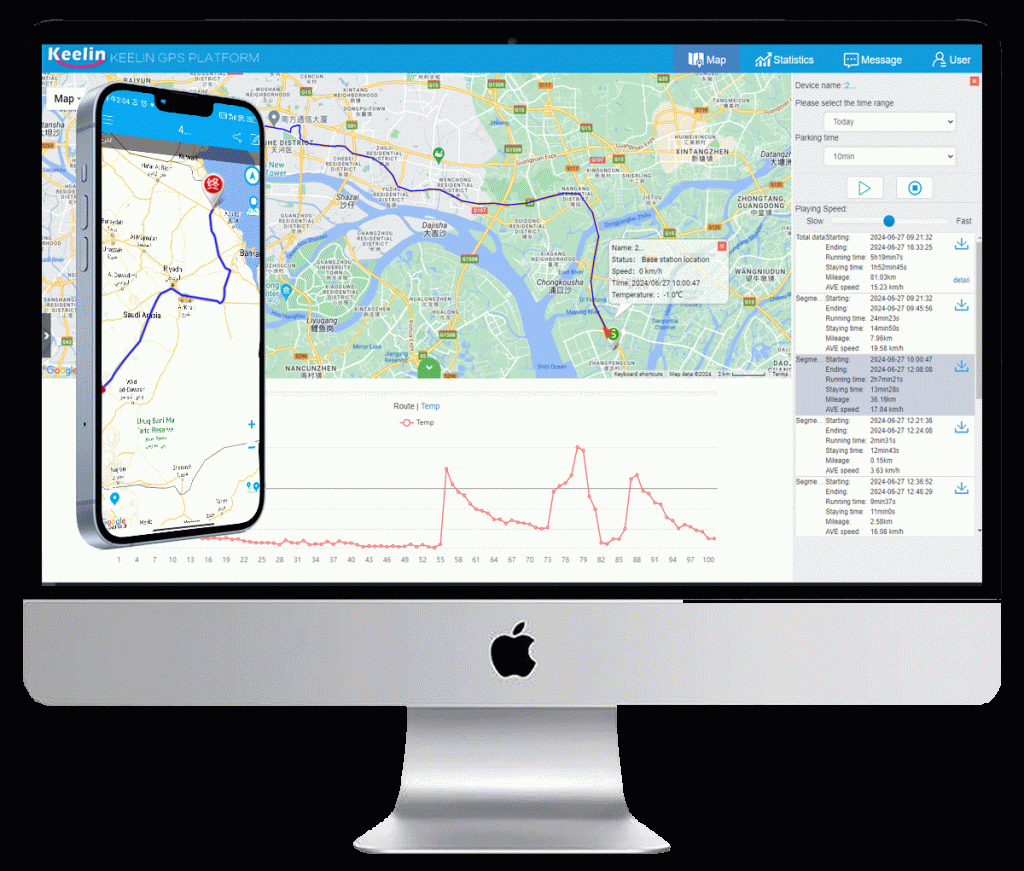
How Do GPS Trackers for Vehicles Work in Real Time?
Modern vehicle tracking devices use GPS positioning, cellular communication, sensors, and cloud platforms to collect and transmit location data. GPS technology helps devices determine location through satellite-based positioning. The tracking device then sends location and status data to a platform, where users can check the information in real time.
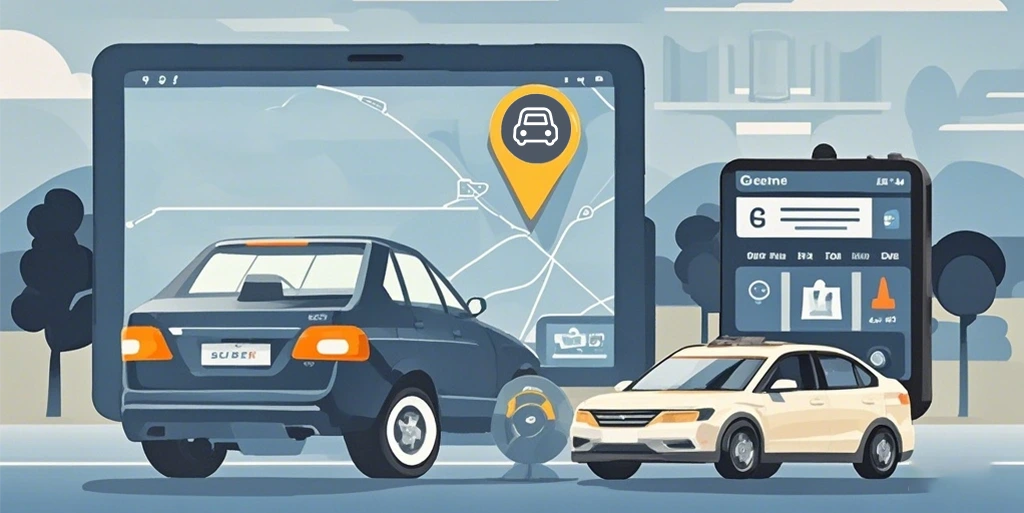
Users can also set reporting intervals based on project needs. For example, a fleet manager may need frequent updates for delivery vehicles, while a private vehicle owner may only need basic location checks and alerts. In addition, many devices support SMS commands, app access, and web platform management.
Common Applications of Vehicle GPS Trackers
GPS tracking devices for vehicles are widely used in business and personal scenarios. They help users improve safety, reduce operating costs, and manage vehicles more efficiently.
Common applications include:
- Fleet management
- Logistics and delivery vehicles
- School buses
- Rental cars
- Construction vehicles
- Waste disposal vehicles
- Tour operator vehicles
- Company cars
- Teenage driver monitoring
- Anti-theft vehicle protection
- Asset and equipment tracking

In addition, vehicle GPS trackers can help managers review driving behavior, monitor route efficiency, reduce dispatch uncertainty, and respond faster when abnormal movement occurs.
GPS Tracking Devices vs. GPS Loggers
A real-time GPS tracking device is different from a GPS logger. A GPS logger can record location data, but it usually stores the data locally and may require a computer connection to export records.
In contrast, real-time GPS tracking devices send location data to a server or platform. Therefore, users can check vehicle movement remotely through an app or web system. This makes real-time trackers more suitable for fleet management, vehicle security, dispatch control, and business operations.
Why Use GPS Tracking Devices Instead of Smartphones?
Some users may try to use smartphones for vehicle tracking. However, phones are not always reliable for long-term vehicle monitoring. Battery life, poor reception, app permissions, and user behavior can all affect tracking performance.
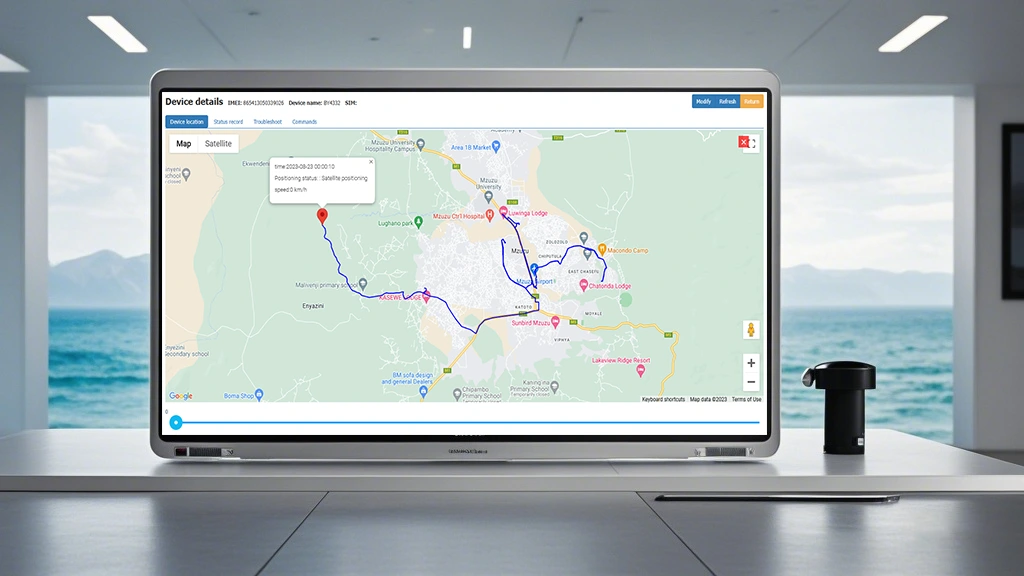
Dedicated GPS tracking devices are designed for vehicle use. They can be installed in the vehicle, connected to vehicle power, or used as portable devices. As a result, they provide more stable tracking performance for business and security applications.
Main Types of GPS Tracking Devices for Vehicles
Portable GPS Trackers
Portable trackers are easy to install and suitable for flexible tracking needs. They can be used for temporary vehicle monitoring, asset tracking, rental cars, or personal vehicle protection. Some models also support waterproof cases, rechargeable batteries, and magnetic installation accessories.
OBD GPS Trackers
OBD trackers plug into the vehicle’s OBD port. They are easy to install and are often used for cars, light commercial vehicles, and fleet projects. In addition, some OBD devices can collect vehicle-related data through the diagnostic port.
Hardwired GPS Trackers
Hardwired trackers connect directly to the vehicle’s power system. They are suitable for long-term fleet management, anti-theft tracking, and commercial vehicle projects. This type of device is often more stable for continuous operation.
What to Consider Before Choosing a Vehicle GPS Tracker
Before choosing a tracker, users should consider the tracking scenario, installation method, power supply, network support, reporting interval, platform requirements, and alert functions.
For business users, it is also important to consider device supply, platform integration, customization options, and long-term technical support. Therefore, working with an experienced IoT tracking device manufacturer can make project deployment easier.
EELINK Vehicle Tracking Support
EELINK provides reliable GPS tracking devices for vehicles, fleet operators, solution providers, system integrators, and GPS tracking businesses. As an experienced IoT hardware manufacturer, we support stable device supply, flexible customization, and long-term project deployment.
Our devices help users monitor driving behavior, improve vehicle safety, prevent theft, increase fuel efficiency, reduce dispatch uncertainty, and plan routes more effectively.
Summary
GPS tracking devices for vehicles are useful for fleet management, logistics, rental services, school buses, private vehicles, and many other tracking scenarios. They help users view real-time location, review route history, receive alerts, and manage vehicles more efficiently.
If you need reliable vehicle GPS trackers for your business or project, contact EELINK to learn more about suitable devices and tracking solutions.