The Industrial Internet of Things is changing how companies manage vehicles, assets, drivers, and transport data. Today, vehicles are no longer simple transport tools. Instead, they have become mobile data points in modern business operations.
For logistics, cold chain transport, construction, city services, and enterprise fleets, visibility matters. Companies need to know where vehicles are, how they run, and whether risks appear on the road. Therefore, the Industrial Internet of Things gives fleet managers a smarter way to control daily operations.
Why Vehicle Management Needs the Industrial Internet of Things
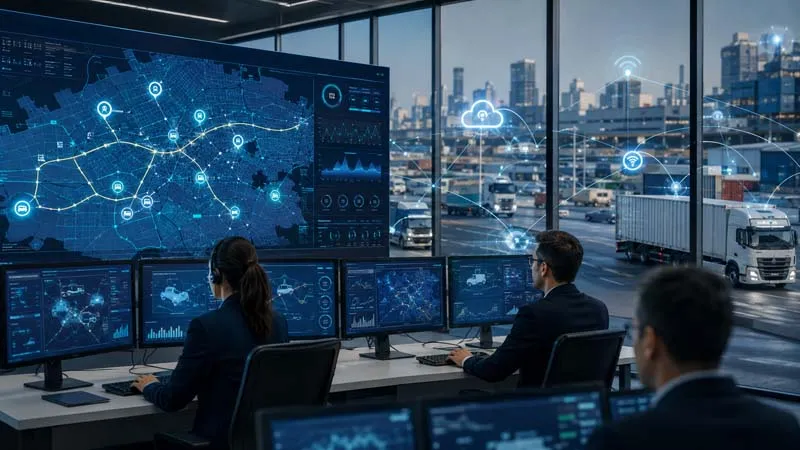
Traditional vehicle management often depends on phone calls, manual records, and delayed reports. However, this model creates blind spots. Managers may not know the real-time location of each vehicle. They may also miss route changes, unsafe driving, long stops, or abnormal use.
The Industrial Internet of Things helps solve these problems through connected devices and real-time data. Vehicle terminals, sensors, wireless modules, and cloud platforms work together. As a result, companies can monitor vehicles with greater speed and accuracy.
This approach also reduces dependence on manual communication. Instead of waiting for drivers to report updates, managers can view key data directly. They can check location, speed, mileage, route, alarms, and operating status from one platform.
How the Industrial Internet of Things Supports Smart Fleet Control
The Industrial Internet of Things brings connection, data collection, analysis, alerts, and management into one system. First, vehicle devices collect operating data. Then, wireless communication sends that data to a cloud platform. Finally, the platform turns raw data into useful information.
This process helps companies make faster decisions. For example, managers can adjust routes when delays happen. They can also respond quickly when vehicles leave planned areas. In addition, they can identify unsafe driving habits before they cause bigger losses.
The value does not stop at tracking. More importantly, the Industrial Internet of Things allows companies to build a data-driven management model. This model improves safety, efficiency, cost control, and service quality.
Real-Time Vehicle Location Tracking
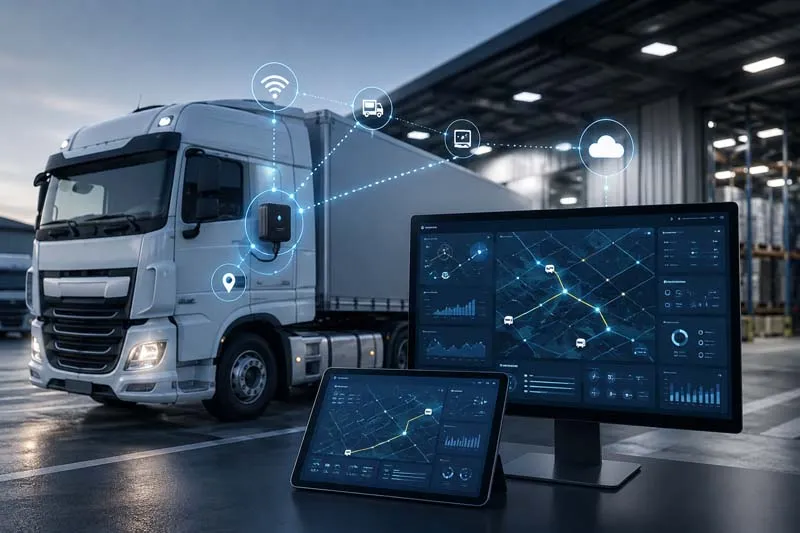
Real-time location tracking is one of the most important applications. With the Industrial Internet of Things, fleet managers can see the current location of each vehicle. They can also check movement direction, online status, and travel speed.
This function is useful for companies with many vehicles. For example, logistics providers can arrange nearby vehicles for urgent tasks. Construction companies can monitor machines across different worksites. Meanwhile, enterprise fleets can reduce private use and route deviations.
Therefore, real-time location tracking improves transparency. It also gives companies stronger control over mobile assets.
Route Playback and Operation Review
Route playback helps managers review the complete driving path of a vehicle. Through historical data, companies can check whether a vehicle followed the planned route. They can also find abnormal stops, detours, speeding, or overtime operation.
The Industrial Internet of Things makes this process more accurate. It records vehicle movement continuously and stores key data for later review. As a result, managers can use facts instead of assumptions.
This function also supports service improvement. For instance, a delivery company can analyze route efficiency. Then, it can optimize future planning and reduce wasted mileage.
Electronic Fence for Better Risk Control
Electronic fence technology creates virtual boundaries around specific areas. These areas may include warehouses, factories, job sites, delivery zones, or restricted regions. When a vehicle enters or leaves a defined area, the system sends an alert.
The Industrial Internet of Things makes electronic fences more practical for daily operations. It helps companies manage vehicles without constant manual checking. Moreover, it can reduce theft risk, unauthorized movement, and wrong-route delivery.
For high-value cargo, cold chain transport, and field service fleets, this function offers strong protection. It also helps managers respond before small problems become serious losses.
Driver Behavior Monitoring and Safety Management
Vehicle management should not only focus on vehicles. It should also focus on driver behavior. Unsafe driving can increase accidents, repair costs, fuel waste, and insurance risks.
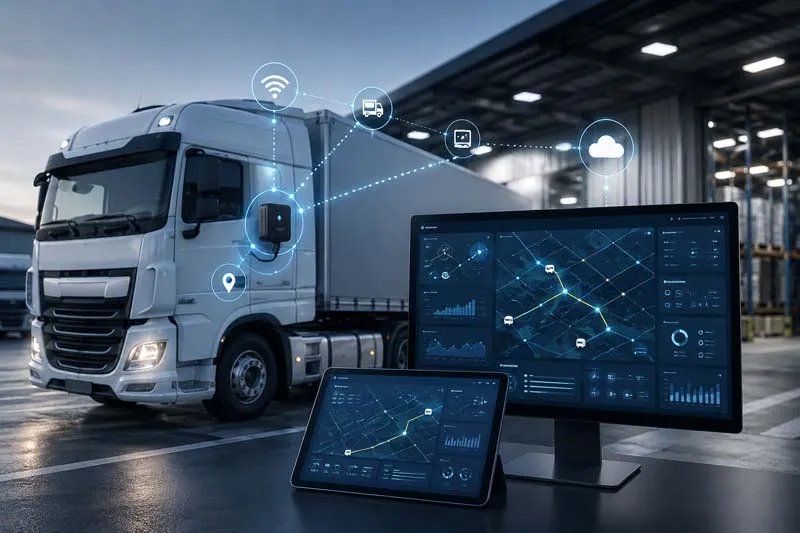
With the Industrial Internet of Things, companies can monitor key behavior data. This includes speeding, harsh braking, rapid acceleration, long idling, and fatigue-related risks. Then, managers can use the data to guide drivers and improve safety standards.
In addition, driver behavior reports support fair evaluation. Companies can reward safe drivers and correct risky habits. Over time, this creates a safer and more responsible fleet culture.
From Vehicle Monitoring to Operational Optimization
Basic monitoring helps companies see what is happening. However, deeper value comes from optimization. The Industrial Internet of Things turns vehicle data into business insight.
Managers can analyze mileage, route efficiency, vehicle utilization, task completion, alarm frequency, and operating costs. Then, they can adjust dispatch plans, reduce idle time, and improve resource use. This leads to better performance across the whole fleet.
For example, a company may find that some routes cause repeated delays. It can then redesign routes and improve delivery time. Similarly, it may find vehicles with high idle time and adjust scheduling.
Application Scenarios Across Different Industries
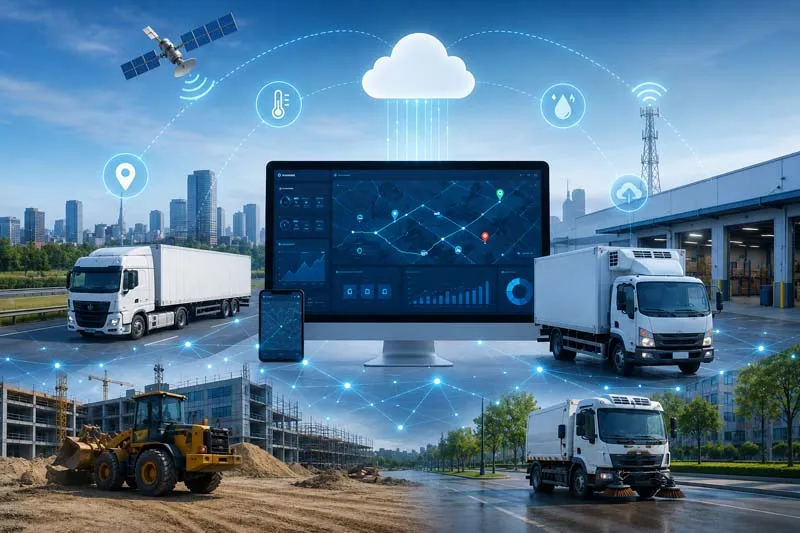
The Industrial Internet of Things supports many vehicle management scenarios. In logistics, it helps improve route control and delivery visibility. In cold chain transport, it can combine location data with temperature and humidity monitoring.
In construction, companies can monitor engineering vehicles and equipment movement. In city services, managers can supervise sanitation trucks, patrol vehicles, and maintenance fleets. Furthermore, enterprises can manage company cars with better transparency.
Each industry has different needs. However, they all need safer vehicles, clearer data, and more efficient operations.
Future Trends in Vehicle Management
As companies demand higher efficiency, vehicle management will become more intelligent. The Industrial Internet of Things will play a larger role in this transformation. Future systems will connect more sensors, platforms, and business processes.
In addition, vehicle management will focus more on predictive alerts and data analysis. Companies will not only react to problems. Instead, they will prevent risks earlier and manage operations with stronger insight.
This shift will help businesses reduce costs and improve service quality. It will also support safer and more sustainable fleet operations.
EELINK Communication and IoT Innovation
EELINK Communication is a high-tech enterprise focused on applying wireless communication technology to the Internet of Things. The company has a professional team with more than 20 years of experience in IoT hardware and software development.
Its product range covers remote monitoring platforms for temperature, humidity, and other key data. Its services also support asset management, vehicle anti-theft, insurance sales, and cold chain transport management.
Through continuous innovation, EELINK Communication helps customers solve practical challenges. The company aims to create value with efficient, reliable, and intelligent IoT solutions. As the Industrial Internet of Things continues to develop, EELINK Communication will keep supporting smarter connection and better business management.