
Why IoT for Logistics Parks Matters
IoT for Logistics Parks is becoming a key foundation for modern logistics infrastructure. Today, logistics parks handle warehousing, transportation, sorting, loading, cold chain operations, security, and asset management. As these tasks grow more complex, traditional management models struggle to keep pace.
Many logistics parks still depend on manual records, isolated systems, and experience-based decisions. As a result, managers often lack real-time visibility. They may not know where vehicles are waiting, where goods are stored, or whether equipment is running safely.
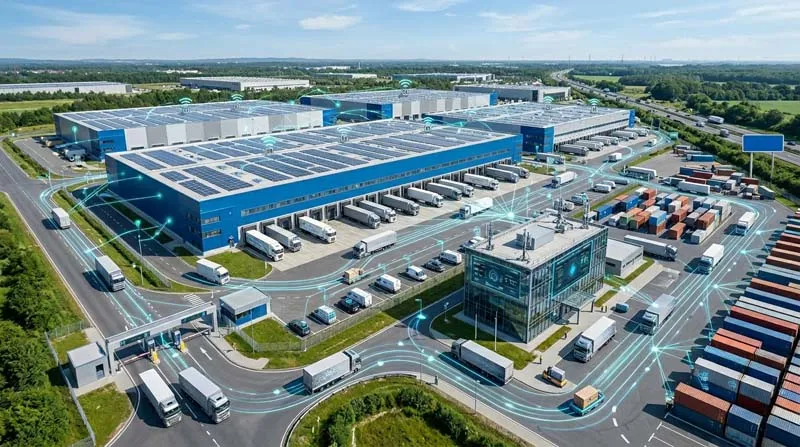
Therefore, digital transformation is no longer optional. It has become essential for reducing costs, improving service quality, and strengthening supply chain resilience. In this context, IoT for Logistics Parks provides a practical path toward smarter operations.
At its core, this technology connects people, vehicles, goods, facilities, and equipment. It helps logistics parks move from fragmented management to real-time coordination. Moreover, it creates a data-driven foundation for safer and more efficient logistics services.
From Real-Time Sensing to Connected Operations
The first value of IoT for Logistics Parks lies in real-time sensing. A logistics park contains many moving parts. Vehicles enter and leave throughout the day. Goods move between warehouses, platforms, and loading zones. Equipment runs continuously, while environmental conditions may change quickly.
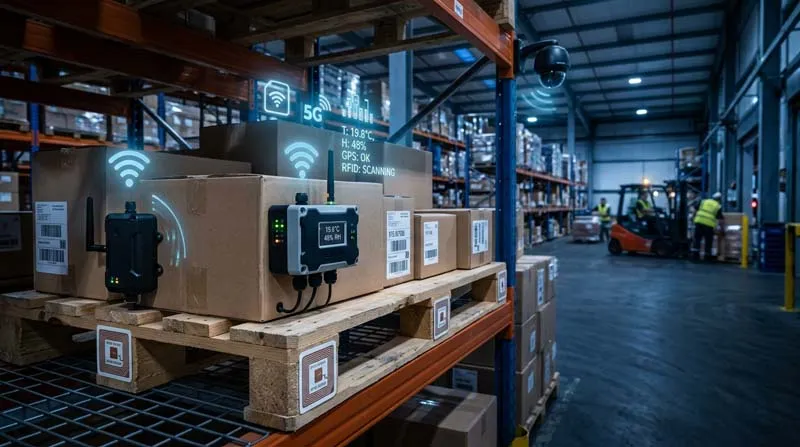
IoT devices can monitor these activities in real time. These devices may include temperature sensors, humidity sensors, RFID tags, GPS trackers, video recognition systems, smart gates, and electronic fences. Together, they collect key data from the physical world.
For example, a smart gate can identify vehicles automatically. A temperature sensor can track cold chain conditions. A positioning device can monitor the location of high-value assets. Meanwhile, cameras and alert systems can detect abnormal movements or unsafe behavior.
As a result, logistics parks gain better visibility. Managers no longer need to wait for manual reports. Instead, they can see operational status in real time. This improves response speed and reduces errors.
However, sensing alone is not enough. The real goal is to connect data with business processes. That is why IoT for Logistics Parks must combine front-end devices, communication networks, data platforms, applications, and security controls.
Platform Integration Solves Data Silos
Many logistics parks face a common challenge: information silos. Warehousing systems, vehicle systems, access control systems, billing systems, and security platforms often run separately. Because of this, data remains scattered across departments.
This fragmentation creates several problems. First, managers cannot build a complete operational view. Second, employees may need to enter the same data several times. Third, business teams cannot coordinate quickly when exceptions occur.
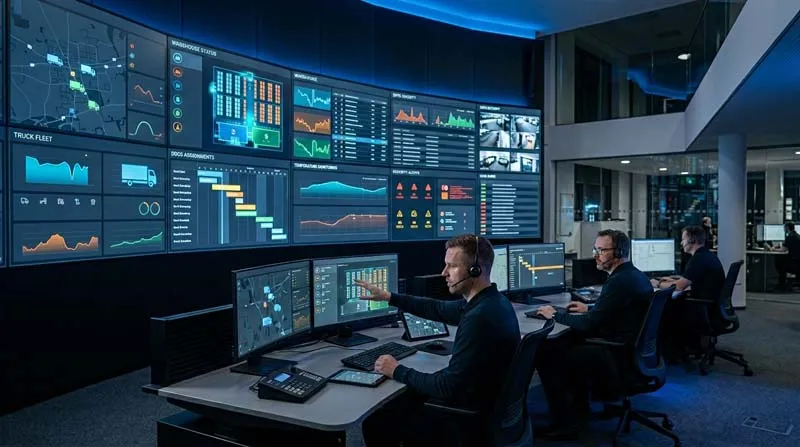
Therefore, IoT for Logistics Parks should focus on platform integration. A unified platform can collect, process, and analyze data from different systems. It can also provide standard interfaces for future expansion.
For instance, vehicle appointment data can link with gate access data. Gate access data can then link with loading dock status. After loading finishes, the system can update warehouse records and settlement information. Consequently, the whole process becomes smoother.
This type of coordination improves daily operations. It can reduce vehicle waiting time, support dock scheduling, improve yard utilization, and make billing more accurate. In addition, it helps logistics parks provide better services to tenants and customers.
More importantly, platform integration turns operational data into a valuable asset. Once data becomes standardized, managers can analyze trends, identify bottlenecks, and improve resource allocation. Over time, the logistics park becomes more intelligent and more competitive.
Improving Efficiency Through Intelligent Management
Efficiency is one of the main reasons companies invest in IoT for Logistics Parks. In traditional parks, many delays come from poor coordination. Drivers may wait too long at the gate. Warehouse staff may not know when vehicles will arrive. Loading docks may stay idle while other areas become crowded.
IoT systems can reduce these issues. Before a vehicle arrives, the platform can complete appointment checks and identity verification. When the vehicle enters, the smart gate can record access automatically. Then, the system can assign routes and loading areas based on real-time conditions.
This process reduces manual communication. It also shortens waiting time and improves the use of space. Furthermore, managers can adjust schedules based on live data rather than guesswork.
In warehouse scenarios, sensors and tracking devices can help monitor goods, storage areas, and equipment. For cold chain logistics, remote temperature and humidity monitoring is especially important. If conditions become abnormal, the system can issue alerts quickly.
Therefore, IoT for Logistics Parks supports both efficiency and quality control. It helps operators manage complex workflows with greater accuracy. It also gives customers more transparent and traceable logistics services.
Security and Trust as Core Requirements
Security is another critical factor in smart logistics parks. A logistics park often contains many vehicles, goods, employees, visitors, and devices. Without strong control, risks can appear in many areas.
For example, unauthorized vehicles may enter restricted zones. Valuable goods may move without approval. Cold chain goods may face temperature risks. Equipment failure may create safety hazards. Cybersecurity risks may also affect connected systems.
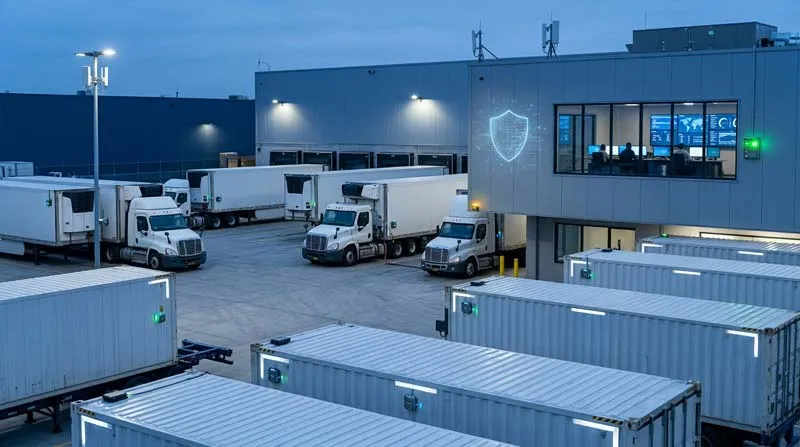
Because of this, IoT for Logistics Parks must include security from the beginning. Security should not be added only after systems go live. Instead, it should guide system design, device access, data transmission, platform management, and user permissions.
A secure system should support identity authentication, access control, data encryption, device management, abnormal behavior detection, and emergency response. In addition, it should keep clear records for audits and traceability.
This approach helps logistics parks shift from passive response to proactive prevention. When risks appear, managers can receive alerts earlier. They can also locate the source of the problem faster. As a result, the park becomes safer and more reliable.
Trust also matters for business cooperation. Tenants and customers need confidence in the park’s data, systems, and service quality. Therefore, secure and stable IoT systems can strengthen long-term partnerships.
Capability Evaluation Supports Continuous Improvement
Smart logistics park construction should not stop after devices are installed. Many parks have sensors, cameras, screens, and platforms. However, these tools do not always create real value.
Therefore, parks need a clear capability evaluation model. This model can help managers assess whether the system truly supports business goals. It can also identify weak points in sensing, connectivity, data governance, platform coordination, security, and operation.
For example, a park may have many sensors but poor data quality. Another park may collect large amounts of data but lack business integration. Some parks may build impressive dashboards, yet they still depend heavily on manual decisions.
A structured evaluation model solves this problem. It helps operators move from “having a system” to “using the system well.” Moreover, it supports planning, acceptance, operation, and future upgrades.
With regular evaluation, IoT for Logistics Parks becomes a continuous improvement process. Parks can upgrade devices, optimize workflows, improve data standards, and strengthen security step by step. This creates long-term value instead of one-time digital decoration.
Future Trends in Smart Logistics Parks
Looking ahead, IoT for Logistics Parks will support more advanced applications. Digital twins, AI scheduling, energy management, predictive maintenance, and supply chain collaboration will become more common.
Digital twin systems can create a virtual model of the park. Managers can use this model to monitor operations, simulate changes, and improve planning. AI scheduling can help allocate vehicles, docks, labor, and routes more efficiently.
Meanwhile, energy monitoring can support greener operations. Equipment data can help predict maintenance needs before failures occur. Cold chain monitoring can improve quality control across storage and transportation.
Therefore, logistics park competition will no longer depend only on location, warehouse size, or transport resources. It will also depend on data capability, system integration, service quality, and risk control.
In this future, IoT for Logistics Parks will act as a smart foundation. It will connect physical assets with digital platforms. It will also help logistics parks become more efficient, transparent, secure, and scalable.
EELINK Communication and Practical IoT Value
As IoT adoption continues to grow, companies need reliable technology partners. EELINK Communication is a high-tech enterprise focused on applying wireless communication technology to the Internet of Things.
The company has a strong team with more than 20 years of experience in IoT hardware and software development. Its product range includes remote monitoring platforms for temperature, humidity, and other key conditions. Its services also cover asset management, vehicle anti-theft, insurance-related solutions, and cold chain transportation management.
EELINK Communication aims to create value through efficient and reliable IoT solutions. Its mission is to enable the Internet of Everything through innovative smart technologies. By focusing on real customer needs, the company continues to support practical IoT applications across different industries.
Ultimately, the future of logistics belongs to connected, data-driven, and secure operations. With the right technology, standards, and implementation strategy, IoT for Logistics Parks can help build a stronger foundation for modern logistics and supply chain growth.