
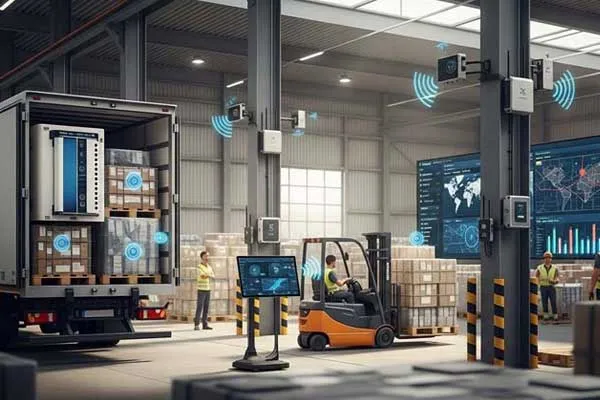
IoT and AI are rapidly converging and are now shaping the next stage of global digital transformation. What once focused on simple connectivity is evolving into intelligent systems that can sense, analyze, and act. As a result, industries, cities, and enterprises are entering a new phase of smart development.
At this critical point, understanding how it work together is no longer optional. Instead, it has become a strategic requirement for organizations seeking long-term competitiveness.
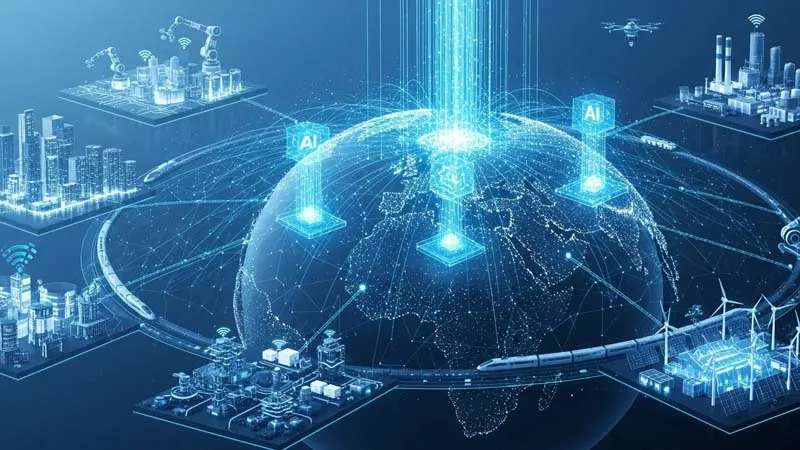
From Connectivity to Intelligence: Why IoT and AI Are Merging
In the early days, the Internet of Things focused mainly on device connectivity. Sensors and networks allowed companies to collect data and monitor assets. However, as connected devices increased, raw data alone created limited value.
Therefore, artificial intelligence became essential. AI enables systems to analyze data, detect patterns, and make predictions. Together, it transform passive data collection into active intelligence. Consequently, systems can respond faster and operate more efficiently in real-world environments.
The AI Skills Gap: A Practical Challenge for IoT and AI Adoption
Despite strong momentum, IoT and AI integration faces real obstacles. One of the biggest issues is the shortage of cross-skilled professionals. IoT engineers often focus on hardware and networks, while AI engineers specialize in algorithms.
As a result, many projects struggle to bridge the gap between physical systems and intelligent models. Moreover, this skills gap increases deployment time and operational risk. Therefore, building multidisciplinary teams has become a priority for successful implementation.
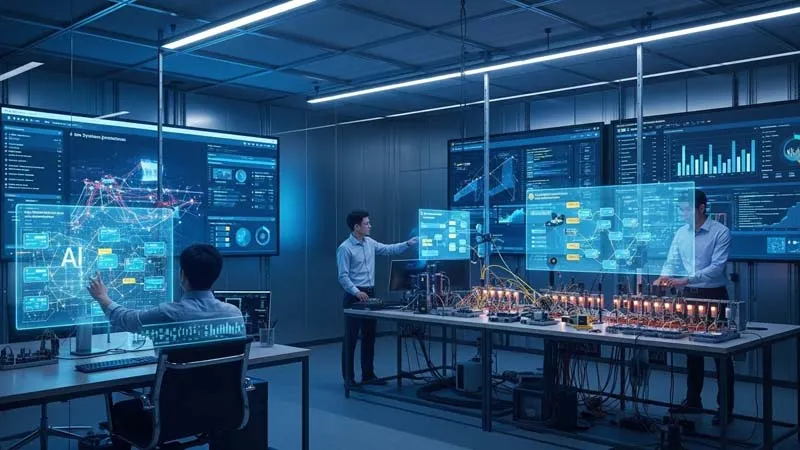
Synthetic Data: Unlocking AI Value When Real Data Is Limited
High-quality data is essential for AI models. However, collecting large volumes of real IoT data can be expensive and slow. For this reason, synthetic data is gaining importance in it projects.
By simulating real-world conditions, synthetic data helps train models more efficiently. In addition, it supports rare event modeling and improves privacy compliance. As a result, industries such as manufacturing, logistics, and energy increasingly rely on this approach.
Interoperability: The Foundation of Scalable IoT and AI Systems
As systems grow, fragmentation becomes a serious challenge. Different protocols, platforms, and data formats create barriers. Consequently, AI models cannot access a complete operational view.
To solve this, it ecosystems must focus on interoperability. This includes shared standards, open interfaces, and consistent data semantics. Only then can intelligent systems scale reliably and deliver long-term value.
Hybrid AI Architectures: A Practical Path Forward
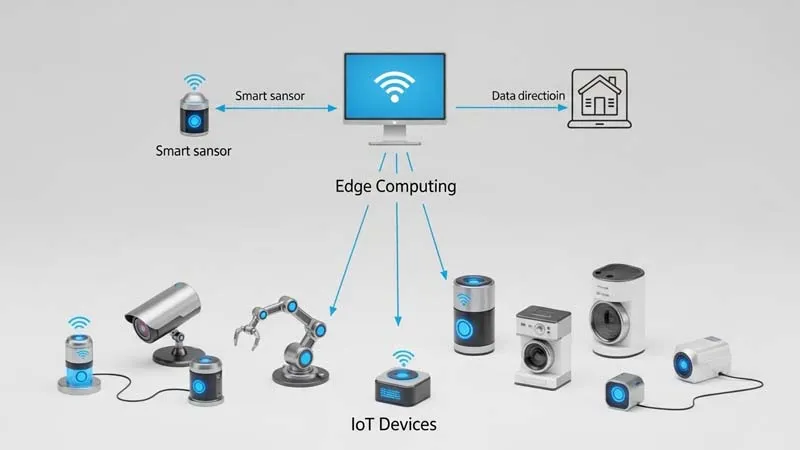
Pure cloud-based AI often suffers from latency and bandwidth limits. Meanwhile, edge-only AI faces hardware constraints. Therefore, hybrid AI architectures are becoming the preferred choice.
By combining cloud, edge, and device intelligence, IoT and AI systems balance performance and cost. Moreover, this structure improves system resilience and supports real-time decision-making at the source.
From Perception to Decision: The Next Stage of IoT and AI Intelligence
Many current solutions focus on detection and recognition. However, true intelligence requires decision-making. The next phase of IoT and AI development emphasizes prediction, reasoning, and automated responses.
As systems move toward closed decision loops, they demand higher data quality and stronger model transparency. Consequently, reliability and explainability become critical design goals.
Security and Trust: A Non-Negotiable Requirement
As intelligent systems influence critical operations, security risks increase. Device vulnerabilities, data breaches, and model misuse can have serious consequences.
Therefore, trust is a core requirement for IoT and AI adoption. Companies must address security at every layer, from devices to algorithms. In turn, trusted systems enable wider adoption and sustainable growth.
Business Transformation: From Hardware to Intelligent Capabilities
At the industry level, IoT and AI are changing how value is delivered. Businesses are shifting from selling devices to offering intelligent services.
Instead of one-time products, companies now provide continuous insights and optimization. As a result, industry knowledge, system integration, and ecosystem partnerships become key competitive advantages.
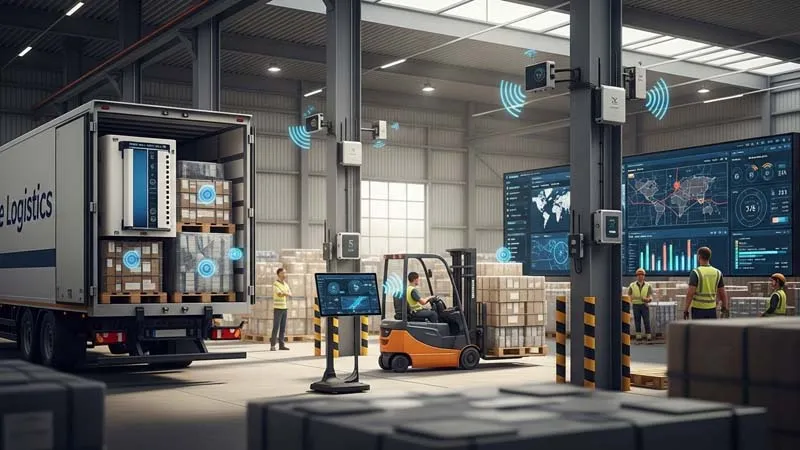
Building a Sustainable Future with IoT and AI
Overall, IoT and AI integration is not a single technology upgrade. Rather, it is a long-term system transformation involving talent, data, architecture, and trust. Organizations that adopt a holistic approach will gain lasting advantages in the intelligent era.
In this evolving landscape, communication technology remains essential. EELINK Communication, with over two decades of experience in wireless communication and IoT solutions, continues to support real-world applications such as asset management, vehicle security, and cold-chain monitoring. Through continuous innovation and reliable platforms, EELINK Communication helps organizations build efficient and connected systems, laying a strong foundation for a smarter and more connected world.