
IoT technology is fundamentally transforming how public services operate in modern societies. Instead of waiting for problems to surface, public systems can now identify risks early and respond with precision. As a result, IoT technology is driving a shift from passive response toward proactive care. This transformation is especially important in aging societies, complex urban environments, and community-based service systems.

Today, governments and service providers face rising expectations. Citizens no longer seek only fast reactions. Instead, they expect safety, continuity, and dignity. Therefore, IoT technology has become a critical foundation for next-generation public services.
The Limitations of Traditional Public Service Models
For decades, public services relied on a reactive model. First, an incident occurred. Then, someone reported it. Finally, authorities responded. Although this approach worked in emergencies, it shows clear weaknesses today.
Meanwhile, social risks have become more subtle. For example, elderly people living alone may face health or safety issues without clear warning signs. Similarly, vulnerable groups often experience gradual changes rather than sudden events. Consequently, traditional models struggle to detect risks early.
IoT technology offers a new solution. By collecting continuous data from daily life, public services gain early visibility. Therefore, intervention can happen before situations escalate.
How IoT Technology Changes Public Service Logic
IoT technology operates through four essential layers: sensing, connectivity, data processing, and feedback. First, sensors collect real-world data. Next, wireless networks transmit this data securely. Then, platforms analyze patterns and trends. Finally, systems generate actionable insights.
More importantly, IoT technology changes when decisions happen. Instead of reacting after failure, public services can act during early warning stages. As a result, governance becomes more preventive and efficient.
Moreover, IoT technology delivers objective data. Unlike manual reports, sensors do not forget or delay. Therefore, public services benefit from consistency and accuracy.
Smart Water Meters: A Practical Example of Proactive Care
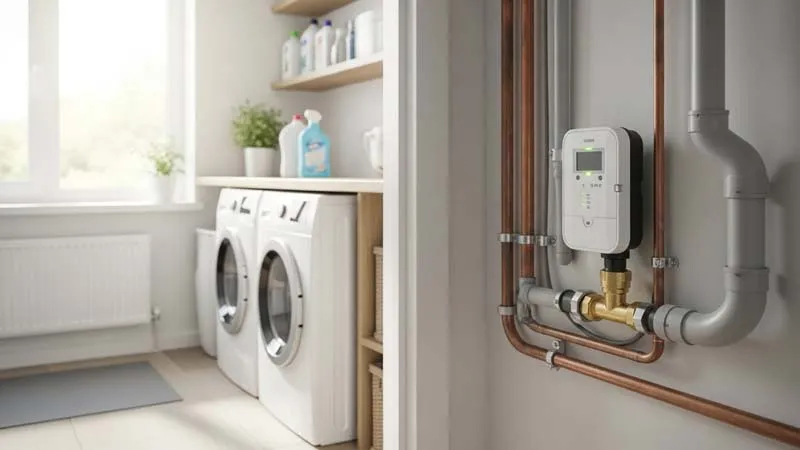
Among many IoT applications, smart water meters play a unique role. Water usage closely reflects daily routines. At the same time, it remains non-intrusive and reliable.
By using smart water meters, public service systems can establish individual usage baselines. Over time, these baselines reveal normal patterns. However, sudden changes may indicate potential risk.
For instance, long periods of zero water use or sharp drops in frequency may suggest abnormal situations. Importantly, these signals do not automatically mean danger. Instead, they trigger further attention.
Therefore, community workers can follow up with phone calls or visits. In this way, IoT technology converts data signals into human-centered care.
From Event Handling to Risk Management
As IoT technology becomes widespread, public services are evolving structurally.
Proactive Service Logic
First, service logic is shifting. Public services no longer focus only on fixing problems. Instead, they emphasize risk prevention. Because systems detect early signals, resources reach the right people sooner.
Cross-Department Collaboration
Second, IoT technology enables data sharing. As a result, social services, healthcare, and emergency systems can coordinate more effectively. This collaboration reduces duplication and improves response quality.
Human-Centered Value Redefinition
Third, service values are expanding. Efficiency remains important. However, dignity, safety, and well-being now carry equal weight. Therefore, IoT technology supports both technical efficiency and social responsibility.

Managing Risks and Responsibilities in IoT Deployment
Despite its advantages, IoT technology requires careful governance. Public service data often reflects personal behavior. Therefore, privacy protection is essential.
Clear consent mechanisms, limited data use, and strict access control must guide system design. Moreover, transparency builds trust between citizens and service providers.
In addition, IoT technology should support human judgment. Data highlights patterns, but people make final decisions. Consequently, technology and human responsibility must work together.
The Future of Sensing-Based Public Services
Looking ahead, IoT technology will continue shaping sensing-based public services. Data from water, electricity, gas, environmental sensors, and wearable devices will increasingly integrate. Together, they will form comprehensive risk awareness networks.
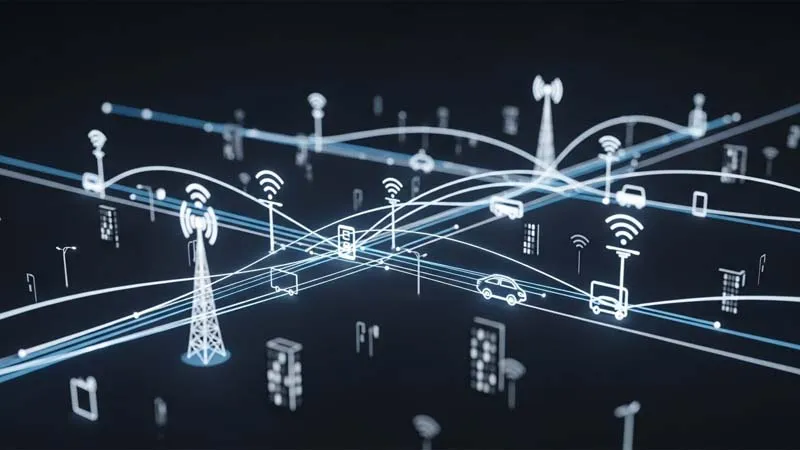
As this ecosystem expands, stable wireless communication becomes critical. Long-term reliability matters more than short-term performance. Therefore, experienced IoT solution providers play a key role.
Within this industry context, EELINK Communication continues to focus on practical IoT innovation. As a high-tech enterprise dedicated to wireless communication in IoT, EELINK通信 brings over 20 years of experience in hardware and software development. Its solutions support remote monitoring, asset management, vehicle security, insurance services, and cold chain logistics.
By combining stable connectivity with continuous innovation, EELINK Communication enables long-term, reliable IoT deployments across diverse scenarios. In doing so, it supports real-world applications that demand accuracy, durability, and scalability.
Building a Care-Oriented Public Service Future
Ultimately, the true value of IoT technology lies in its ability to understand reality continuously and respond intelligently. By shifting public services from reaction to anticipation, IoT technology helps societies protect vulnerable groups and allocate resources wisely.
As technology advances, a new public service paradigm is emerging. It is data-driven, insight-led, and care-focused. And at its core, IoT technology is making public services not only smarter—but also more humane.