
The IoT industry is standing at a historic turning point. From the early stage of focusing on “scale connections,” it has now entered a phase of “value IoT,” where efficiency, intelligence, and business impact become the real goals. This shift is not just a technological upgrade, but also a deep transformation of industries and societies. As the foundation of the digital economy, the IoT industry is penetrating into manufacturing, cities, agriculture, transportation, healthcare, and more, becoming a true engine of growth for a smarter future.
1. Industrial IoT: The Core Driver of Smart Manufacturing
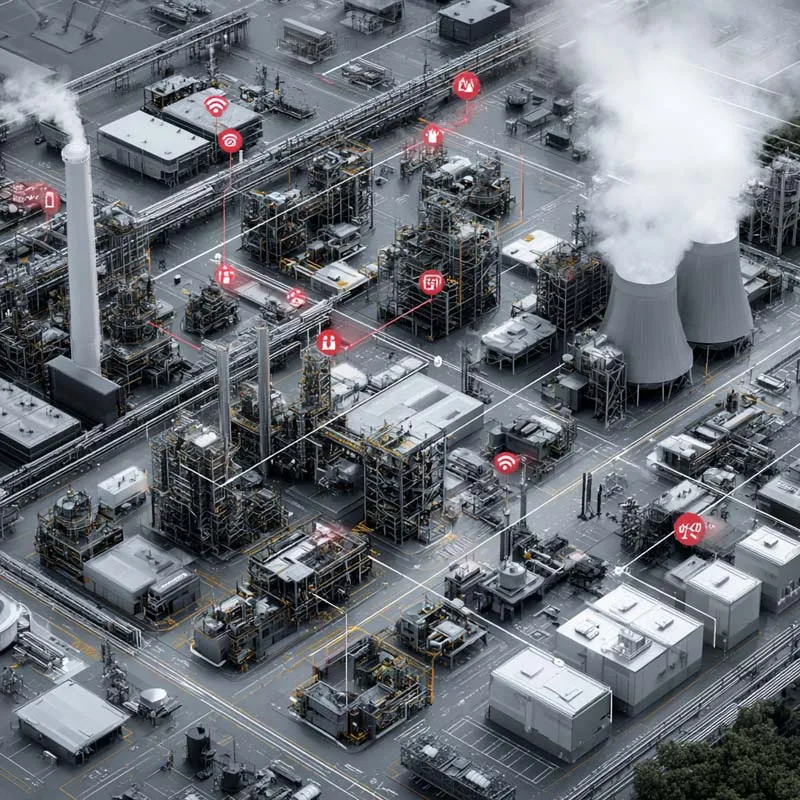
Within the IoT industry, Industrial IoT (IIoT) is the most iconic application. Smart manufacturing, powered by 5G, AI, and big data, is reshaping how factories work.
A landmark example is the “Excellence-Level Smart Factory” built by Ningbo Mobile and Deli Group. The project was selected by the Ministry of Industry and IT as part of China’s 2025 smart factory program. Its success relies on a “1+1+8” system:
One dedicated 5G private network with latency under 10ms, far faster than the industry average.
One green and energy-saving data center, supporting sustainable operations.
Eight deep application scenarios, including data collection, flexible production, AI quality inspection, smart logistics, and AI-based palletizing.
In the pen inspection line, “5G + AI” enables millisecond-level defect detection, identifying 15 defect types, reducing defective rates by 50%, and improving inspection efficiency by 130 times.
In logistics, the company built China’s first fully automated mixed-code sorting line for the stationery industry. With AI data transmitted in real time via 5G, it recognizes more than 10,000 box types with 100% accuracy, boosting safety and efficiency.
The factory also launched C2M (Customer-to-Manufacturer) innovation. Customers can customize pen materials, colors, and engravings online, and orders go directly into the smart production system. This model breaks the old “produce first, sell later” logic, and drives the shift from mass manufacturing to precise, intelligent manufacturing. It improves customer satisfaction and strengthens brand loyalty.

2. Smart Cities and Communities: Expanding Social Value
Another fast-growing stage for the IoT industry is smart cities and smart communities. By combining fiber networks, AI platforms, and smart applications, urban services are entering a new era.
In Lhasa, Tibet, the first 10-gigabit optical smart community was built in the Cishongtang district. The system is structured as “platform + AI + application,” covering security, healthcare, networks, and environment.
Security: 322 AI cameras detect strangers and abnormal behaviors within seconds.
Healthcare and elderly care: Smart health monitoring devices send real-time data to the community clinic, while smart walking sticks with GPS help keep seniors safe.
Environment: Drone patrols scan for illegal buildings and parking, improving handling efficiency by three times.
Globally, smart cities are becoming a major growth engine for the IoT industry. According to GSMA Intelligence, by 2030, smart city projects and infrastructure upgrades will be the largest driver of IoT revenue, especially in Asia-Pacific and Europe. Cities of the future will not only be places to live, but also intelligent ecosystems built on IoT.
3. Emerging IoT Applications: Broadening Horizons
Beyond factories and cities, the IoT industry is expanding into many new fields:
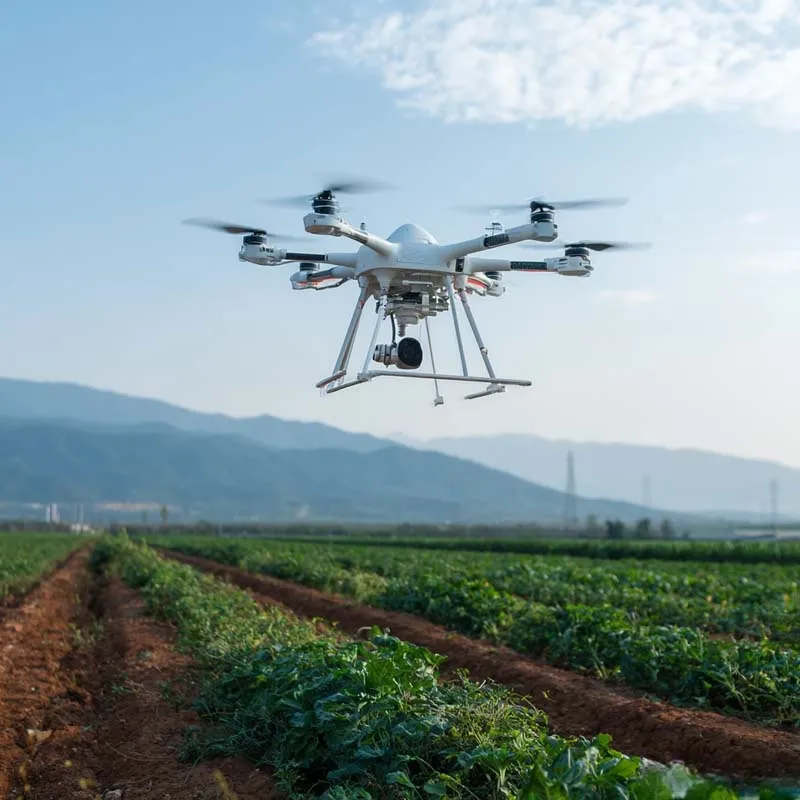
Smart agriculture: Sensors and drones enable precision irrigation, pest monitoring, and data-driven farming.
Utility monitoring: Remote metering and predictive maintenance in electricity, water, and gas reduce costs and improve efficiency.
Emergency response: IoT supports disaster monitoring, resource scheduling, and real-time command, making crisis response faster.
Connected vehicles and traffic: Geofencing, autonomous driving, and smart traffic lights improve safety and reduce congestion.
Wearables: Health tracking and fitness devices connect people directly to digital healthcare systems.
These new applications not only extend the boundaries of the IoT industry but also reinforce its role as the “nervous system” of the digital society.
4. From Scale IoT to Value IoT: The Logic of Transformation
In its early phase, the IoT industry focused mainly on the number of devices and connections. But sheer scale is not enough to create lasting value. Today, the real transformation is toward “value IoT.”
Key drivers of this shift include:
Data as an asset: From raw collection to intelligent analysis and predictive insights.
Deeper industry applications: Manufacturing, cities, and agriculture using IoT to drive upgrades.
Technology integration: 5G, AI, edge computing, and blockchain working together for stronger systems.
Ecosystem collaboration: Operators, manufacturers, software platforms, and developers building open ecosystems.
This leap is not just about efficiency, but about rebuilding entire industrial chains. The IoT industry is now positioned as a creator of real business and social value.
5. Future Outlook: Strategic Opportunities in Value IoT
Looking ahead, the IoT industry faces both opportunities and challenges:
Policies and standards: Governments worldwide are building IoT frameworks to ensure secure and sustainable growth.
New business models: From selling hardware to providing “platform + services” subscriptions that drive long-term growth.
Challenges: Data security, privacy protection, and cross-industry cooperation remain pressing issues.
Long-term vision: IoT will become essential infrastructure for the digital economy, alongside AI and big data, forming the backbone of new productivity.
The IoT industry has moved beyond simple connections and entered an era of true value creation. It is now both a catalyst for industrial transformation and a cornerstone of smart societies. With deeper applications and stronger ecosystems, the IoT industry will continue to lead the digital economy, becoming the true engine of our times.
In this journey, companies like EELINK Communication also play a vital role. As a high-tech company focusing on IoT wireless communication, EELINK Communication has over 20 years of experience in hardware and software R&D.
Its products cover remote monitoring for temperature and humidity, asset tracking, vehicle security, insurance telematics, and cold-chain logistics. By driving innovation and delivering efficient, reliable solutions, EELINK Communication is committed to enabling a fully connected world and continuously creating value for customers.