
The IoT connectivity ecosystem is rapidly evolving. From smart homes to smart cities, from industrial factories to retail, connectivity has become the core of the Internet of Things. Yet, no single technology can meet all needs. Different applications require different ways of connection, and each protocol has its own advantages.
This shows that the future of IoT will not be ruled by one universal standard. Instead, it will be a system supported by multiple specialized protocols. The change is not fragmentation but refinement and specialization. It is a step toward a more mature and intelligent future.
The Complexity and Diversity of IoT Connectivity Needs
The value of IoT lies in connecting everything, but the needs of “everything” are very different.
Consumer vs. Industrial Needs
In consumer markets, users want convenience and smooth experience. For example, smart home devices should work easily across brands. In industrial and city scenarios, the focus is wide coverage, low power use, high reliability, and security.
Scenario-Driven Constraints
Smart meters need low power and long distance. Smart appliances need fast speed and low delay. Logistics requires passive and maintenance-free solutions. These needs make it impossible for one protocol to fit all.
From “Connect Everything” to “Connect for Scenarios”
IoT is moving from the idea of universal connection to scenario-based connection. Each use case drives the growth of different protocols.

Typical Protocols and Their Advantages
Matter: A Common Language for Smart Homes
Matter, supported by Apple, Google, Amazon and others, aims to make devices from different brands work together. Its strength is cross-brand compatibility and better user experience. But it mainly serves home and consumer devices.
LoRa and Wi-Fi HaLow: Wide-Area, Low-Power Options
LoRa: Known as Low Power Wide Area Network (LPWAN). It is good for long-distance and low-data use, such as agriculture, water meters, and logistics.
Wi-Fi HaLow: Works with the Wi-Fi ecosystem, uses less power, and reaches farther than traditional Wi-Fi. It is useful for homes and industrial spaces.
These two are not rivals but complementary: LoRa for coverage, HaLow for more connections.
5G-A Passive IoT: A Breakthrough for Battery-Free Devices
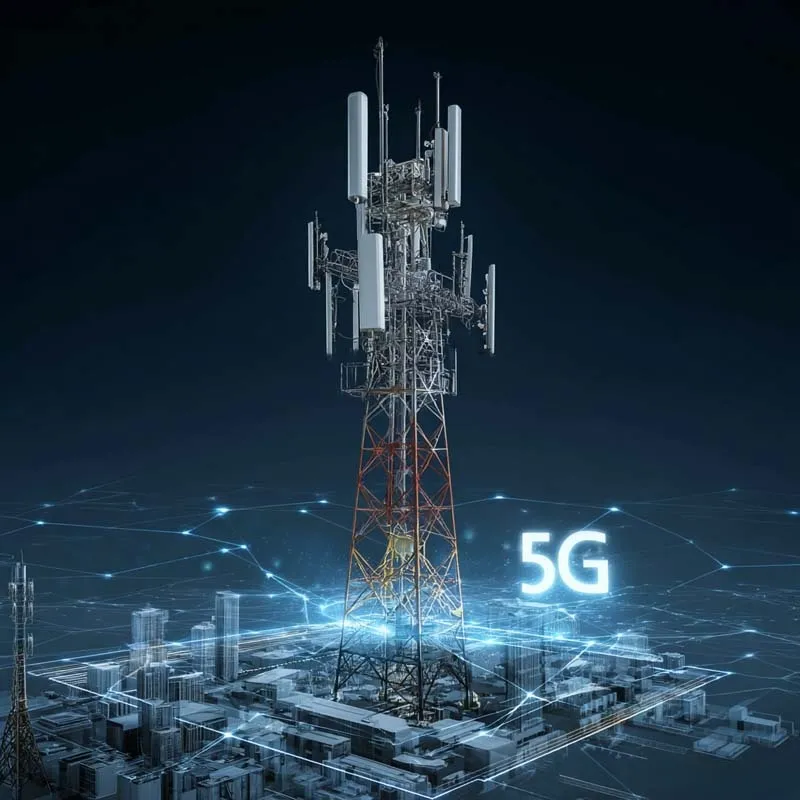
5G-A Passive IoT uses existing 5G base stations to power and connect battery-free sensors. It offers low cost and no maintenance. It is especially useful in retail, supply chain, and anti-counterfeit tracking. This makes “zero-energy IoT” possible.
Drivers Behind the Divergence
Application Needs
Factories need millisecond response, agriculture needs long distance, and homes need easy use. These differences drive multiple protocols.
Technology and Standards Competition
Global tech giants and alliances push their own standards. This creates a diverse and competitive ecosystem.
Policies and Compliance
Different countries have their own spectrum rules and security demands. This adds more reasons for multiple protocol development.

Coexistence of Multiple Protocols: Reality and Challenges
Risk of Fragmentation
Too many standards can raise costs, create isolated systems, and slow down IoT adoption.
Protocol Integration and Gateways
Multi-protocol gateways are becoming common. They combine different connections and use edge computing or software-defined networking to manage them.
Industry Collaboration
Chip makers, device makers, platform providers, and developers must work together to avoid isolation and push integration.
Future Trends: Toward Cooperation and Intelligence
Multi-Protocol Cooperation and Switching
AI will help IoT devices choose the best protocol in real time. For example, using Wi-Fi at home, cellular while traveling, and LoRa in warehouses.
Unified Platforms and Complementary Standards
Platforms will integrate different protocols under one management system. The future will be about complementing each other, not replacing.
Value Chain and Security
IoT will move from “connection only” to “data-driven services.” Security and privacy protection will become even more important.
A Smart Future of Connectivity
The rapid divergence of the IoT connectivity ecosystem is not disorder but evolution. Matter, LoRa, Wi-Fi HaLow, and 5G-A all have their roles, driving IoT toward diversity and specialization. The future of IoT will be defined by cooperation and intelligence.
In this ecosystem, EELINK Communication plays an important role. With over 20 years of experience in wireless communication and IoT, EELINK Communication focuses on both hardware and software solutions. Its products include temperature and humidity monitoring platforms, asset tracking, vehicle anti-theft, insurance solutions, and cold chain management. With a strong R&D team, EELINK Communication works to bring reliable and efficient solutions to customers. By creating value through innovation, EELINK Communication continues its mission to make “everything connected.”